

Concrete Resurfacing vs. Replacement: Which Is Better for Your Existing Concrete?
If your driveway, patio, pool deck, or other concrete surface is starting to look worn, cracked, stained, or outdated, you may assume that tearing it out and pouring new concrete is the only way to fix it. In many cases, it isn’t.
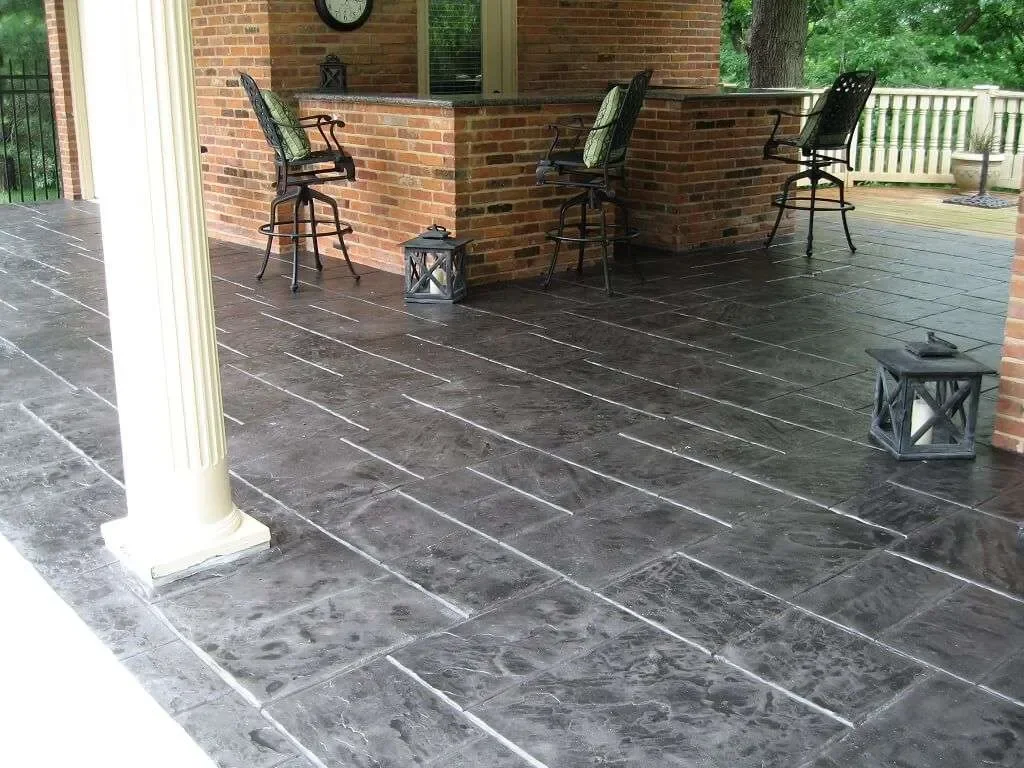
Concrete resurfacing can transform an existing concrete surface without completely removing the original slab. Instead of starting over, a properly prepared concrete surface can be repaired and covered with a new decorative overlay.
But resurfacing isn't right for every slab.
So how do you know whether you should resurface your existing concrete or replace it entirely?
The answer depends largely on the condition of the concrete underneath.
What Is Concrete Resurfacing?
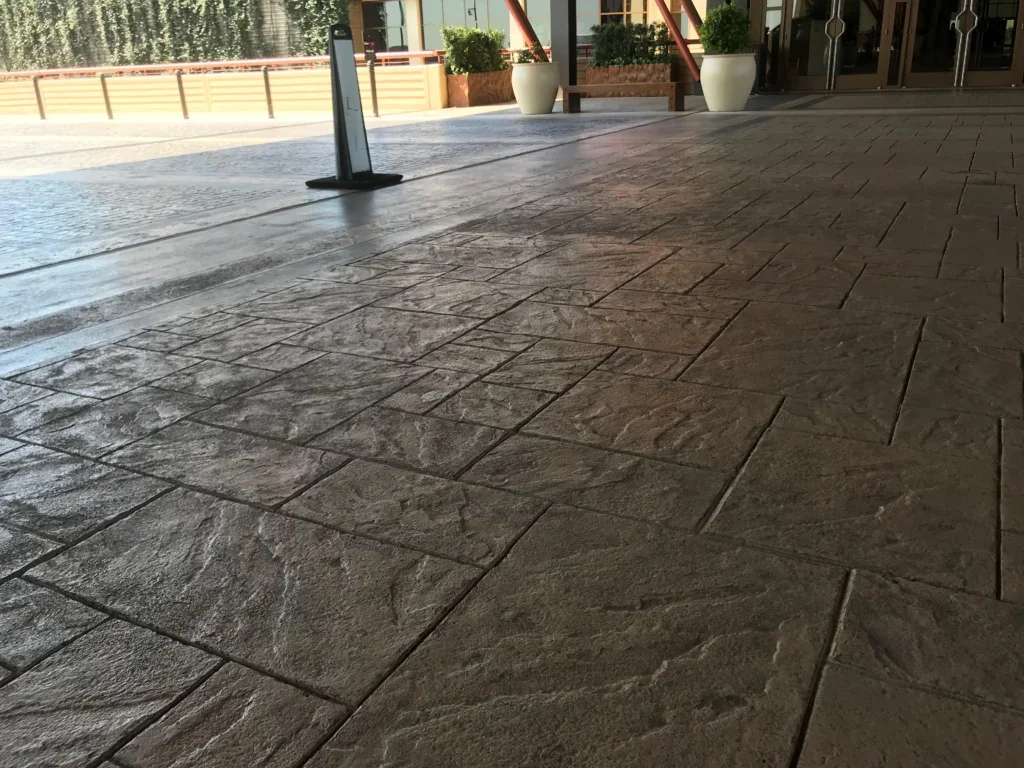
Concrete resurfacing involves installing a new cement-based surface over an existing concrete slab.
The existing concrete serves as the foundation while the new overlay creates the finished surface you see.
Depending on the system and desired appearance, resurfaced concrete can be designed to resemble finishes such as:
Stone
Tile
Slate
Brick
Textured concrete
Decorative patterns
Custom-colored concrete
This makes resurfacing useful for homeowners who don't necessarily have a failed concrete slab—they simply have concrete that has become unattractive or needs surface repairs.
When Can Existing Concrete Be Resurfaced?
The most important consideration isn't necessarily how old your concrete is.
It's whether the underlying slab is still structurally suitable.
Older concrete can sometimes be an excellent candidate for resurfacing if the slab itself remains stable.
Common issues that may be addressed as part of a resurfacing project include surface wear, discoloration, stains, minor cracking, outdated finishes and other cosmetic deterioration.
Before installing an overlay, however, the existing concrete should be evaluated and properly prepared.
That's important because a decorative overlay is only as reliable as the surface underneath it.
When Should Concrete Be Replaced Instead?
There are situations where resurfacing isn't the appropriate solution.
If a concrete slab has significant structural problems, covering it with an overlay doesn't correct the underlying failure.
Full replacement may be necessary when there is substantial movement, severe settlement, major structural cracking or sections of concrete that have significantly failed.
For example, imagine one section of a driveway has sunk several inches because the soil underneath it has failed.
Installing a decorative surface over the driveway doesn't correct the failed base underneath that section.
The underlying problem needs to be addressed first.
This is why a reputable concrete resurfacing contractor should inspect the condition of the existing slab rather than simply recommending an overlay for every project.
Concrete Resurfacing vs. Replacement
Although both approaches can give you a dramatically improved concrete surface, the projects are very different.
Resurfacing
With resurfacing, the existing concrete generally remains in place.
The project involves preparing the slab, addressing appropriate imperfections and installing a new surface over the concrete.
This eliminates much of the demolition involved in complete replacement.
Replacement
Concrete replacement starts by demolishing and removing the existing slab.
The area must then be prepared for new concrete before a completely new slab can be poured and finished.
Replacement makes sense when the existing concrete is too compromised to serve as a reliable base.
But when the slab is structurally suitable, removing all of that concrete may be unnecessary.
Is Resurfacing Cheaper Than Replacing Concrete?
Cost is one of the biggest reasons homeowners investigate resurfacing.
However, there isn't a universal answer to which option will cost less because every project is different.
The size and condition of the existing slab, repairs required, accessibility of the project and decorative finish you choose can all affect the final price.
Replacement also involves costs that resurfacing may avoid, including demolition, hauling away the existing concrete and pouring an entirely new slab.
Rather than comparing price per square foot alone, homeowners should consider what work is actually required for their specific concrete.
What Can Resurfaced Concrete Look Like?
One of the biggest differences between simply pouring another basic concrete slab and installing a decorative overlay is the amount of customization available.
Concrete resurfacing doesn't have to look like a thin layer of new gray concrete.
Decorative resurfacing can completely change the character of an outdoor space.
For example, an ordinary patio can be transformed with a decorative pattern and color designed to complement the home.
A worn pool deck can receive a new textured finish.
An aging driveway can become a decorative feature rather than simply a place to park vehicles.
The objective isn't always to make old concrete look new.
Sometimes it's to make the concrete look completely different.
Can Cracked Concrete Be Resurfaced?
Sometimes.
The important distinction is why the concrete cracked.
Not every crack indicates that a slab needs to be demolished.
Concrete naturally experiences stresses over its lifetime, and some cracks can be addressed during the preparation process.
However, active movement or significant structural cracking requires a different evaluation.
Simply covering a serious structural problem isn't a permanent repair.
That's why the slab should be inspected before deciding whether resurfacing makes sense.
How Long Does Concrete Resurfacing Take?
Another advantage of resurfacing is that the existing slab can eliminate much of the work involved in demolition and replacement.
The exact timeline depends on the size, condition and design of the project.
At C & C Concrete Design, many overlay installations are completed over approximately 3–4 days.
The process typically includes preparing the existing concrete, performing necessary repairs, installing the overlay, creating the selected decorative finish and completing the final protective steps.
For a detailed look at what happens during installation, read our Concrete Overlay Process, Step by Step: What Happens During Your 3–4 Day Install guide.
What Areas Can Be Resurfaced?
Decorative concrete resurfacing can be used on many existing concrete surfaces around a property, including:
Driveways
Patios
Pool decks
Walkways
Porches
Entryways
Outdoor living areas
Whether a particular surface can be resurfaced ultimately depends on the condition of the existing concrete.
Should You Resurface or Replace Your Concrete?
A useful way to think about the decision is this:
If the concrete is structurally sound but cosmetically worn or outdated, resurfacing may be an excellent option.
If the concrete itself is structurally failing, replacement or more extensive corrective work may be necessary.
The key is determining which situation you're dealing with before choosing a solution.
That's where an on-site evaluation becomes valuable.
Frequently Asked Questions About Concrete Resurfacing
Can you put new concrete over old concrete?
There are systems specifically designed to resurface existing concrete, but proper surface preparation and the appropriate overlay system are critical. Simply pouring a thin layer of ordinary concrete over an existing slab isn't the same thing as professional concrete resurfacing.
Is concrete resurfacing worth it?
If your existing slab is a suitable candidate, resurfacing can be an effective way to repair its appearance and create a customized decorative finish without unnecessarily removing structurally usable concrete.
Does resurfacing fix cracks?
Certain cracks and surface imperfections can be addressed during preparation, but resurfacing doesn't solve every type of cracking. Cracks caused by significant movement or structural failure need to be properly evaluated.
Can an old driveway be resurfaced?
Yes, some older driveways can be resurfaced. Age alone doesn't necessarily determine whether a driveway is a candidate. The condition and stability of the existing concrete are more important.
Can a concrete patio be resurfaced?
Yes. Patios are a common application for decorative concrete overlays because resurfacing can change both the condition and appearance of an existing patio without necessarily requiring complete demolition.
Can you resurface a concrete pool deck?
Depending on the condition of the existing concrete, pool decks can often be resurfaced with decorative and textured finishes designed for outdoor spaces.
Find Out If Your Concrete Can Be Resurfaced
You don't necessarily need to tear out an entire driveway, patio or pool deck just because the surface has seen better days.
If the existing concrete is a good candidate for resurfacing, C & C Concrete Design can transform it with a decorative concrete system designed around your property and the look you want to achieve.
The first step is determining what condition your existing concrete is actually in.
Contact C & C Concrete Design today to have your concrete evaluated and discuss the resurfacing options available for your property.
